
Foundation Underpinning in San Diego
Foundation Underpinning and Pier Installation
Explore support options for a settling foundation. Get a Free Estimate
Foundation Underpinning in San Diego
Explore support options for a settling foundation. Get a Free Estimate
When the ground beneath a foundation can no longer provide consistent support, the building may settle unevenly. Cracks, sloping floors, and separation around openings can be signs of this movement. In certain cases, underpinning offers a way to improve support beneath the existing foundation.
Foundation underpinning is structural work that requires careful planning. The type, depth, location, and capacity of a pier system depend on soil conditions, building loads, access, and engineering requirements. We help San Diego homeowners understand these factors and what a properly planned underpinning project involves.

Underpinning is a method of strengthening or supplementing the support beneath an existing foundation. Depending on the design, new support elements may transfer loads to deeper or more suitable bearing material. ## When Underpinning May Be Considered Underpinning may be appropriate when settlement is continuing, shallow soils are inadequate, or an engineered repair requires additional support. It is not automatically the right solution for every crack or uneven floor. Soil investigation and structural design may be needed to establish whether a pier system is suitable.
Push piers are driven into the ground using hydraulic equipment and the building's weight as reaction force. Their suitability depends on foundation condition, structural loads, and the capacity of the supporting material. An engineer may specify this approach for certain settlement conditions. Installation and load transfer must follow the approved design.
Helical piers use steel shafts with helical plates that are rotated into the ground. They can provide support in selected soil and loading conditions, including sites where conventional excavation may be difficult. Pier sizing, installation criteria, corrosion considerations, and connection details require project-specific design.
An existing footing may need additional support because of settlement, structural changes, or inadequate bearing conditions. Underpinning can involve adding support elements beneath or alongside the existing foundation. The work must account for the building's current loads and how those loads will be transferred during construction.
Installing a pier is only one part of underpinning. The connection between the new support and existing foundation must safely transfer structural loads. Where lifting is considered, the amount of movement must be controlled and evaluated against the risk of damage to finishes, utilities, and other building components.
| Service | Estimated Cost | Average |
|---|---|---|
| Helical pier underpinning | Engineered project estimate | Varies by depth and quantity |
| Push pier underpinning | Engineered project estimate | Varies by load and access |
| Existing footing underpinning | Site-specific estimate | Varies by structural design |
| Complex underpinning project | Detailed scope and estimate | Varies by site conditions |
Pier counts and costs cannot be established reliably from visible cracking alone. Engineering, geotechnical conditions, depth, utilities, access, permits, and excavation influence final pricing.
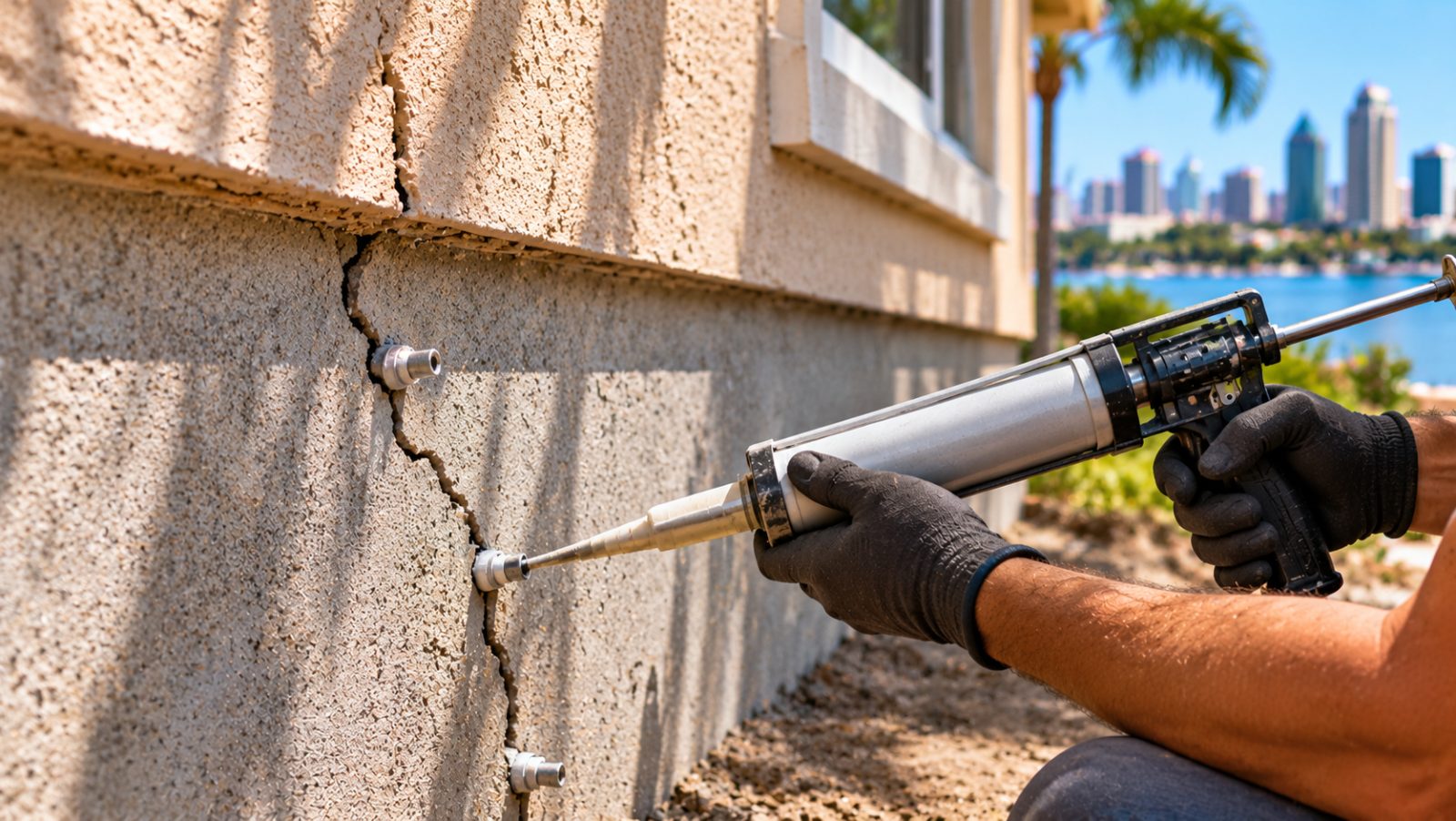
We consider the foundation type, access, and available soil information before discussing underpinning options.
We recognize that pier selection, placement, and loading require appropriate professional design.
We discuss excavation, equipment access, disruption, and restoration as part of the project.
Find out whether underpinning is a reasonable option for your property.
Free — no obligations
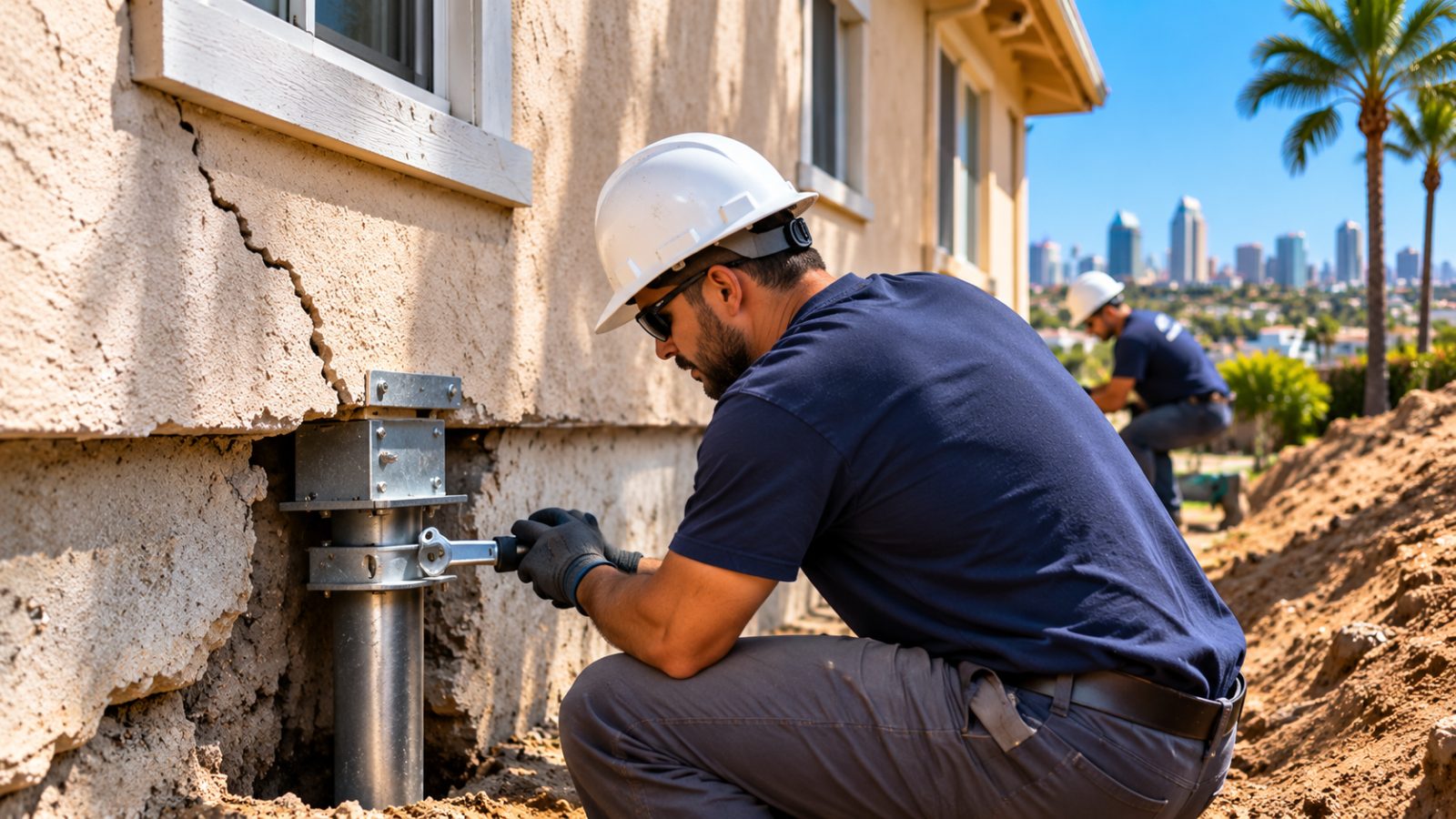
We discuss settlement symptoms and review accessible foundation conditions.
Required structural and geotechnical evaluations help establish the appropriate support design.
The project scope identifies pier locations, installation requirements, access, and permits.
Support elements and structural connections are installed according to the approved design.
The work is reviewed against the project requirements and any applicable inspection conditions.